
Corporate Team Building Leadership Activities for Businesses in Georgia
Suhls Rodeo provides leadership-focused team building experiences that help managers and teams strengthen trust, communicate with clarity, and lead with greater confidence. Businesses throughout Georgia choose these horse-assisted sessions when they want practical growth, stronger alignment, and a more engaging way to develop leaders.
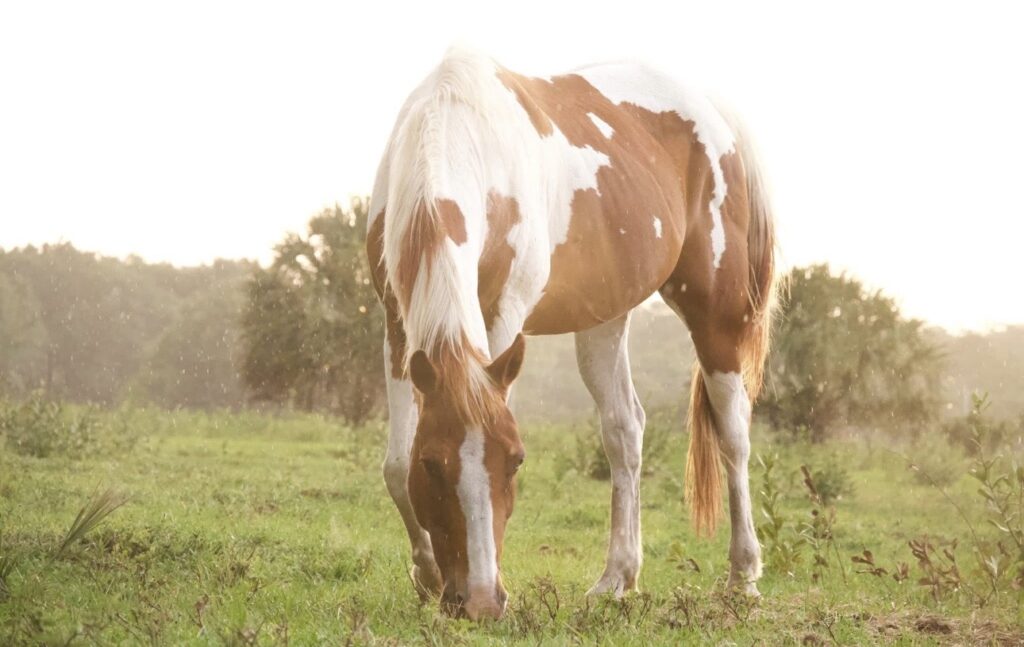
Team Building Activities for Leadership Growth in Georgia
Fast-moving businesses need leaders who stay calm, give direction and keep people connected. For companies across Georgia, Suhls Rodeo offers leadership team building activities in Atlanta, Rome, Dalton, Marietta, Douglasville and surrounding cities throughout Georgia for teams that want to sharpen those skills in a setting that feels active and real. No meeting agenda can match the honest feedback horses provide about leadership habits.
Through action and shared reflection, managers and teams get room to learn in ways that feel direct and memorable. Participants work through trust, communication and group problem-solving with lessons they can use back at work. Many Georgia organizations choose leadership development activities for teams when they want growth that reaches beyond a one-day morale event.
How Georgia Businesses Build Stronger Leaders Through Horse-Assisted Learning
Routine often hides leadership problems behind speed and habit. Work with horses slows the moment and makes influence easier to see. Under pressure, leaders find out how they respond, and teams see how direction shapes group confidence.
These leadership areas are the ones Georgia businesses often want to strengthen through this format:
Clear Direction in Unclear Moments
Leaders face their toughest test when the next step is not obvious. Timing, confidence and consistency matter with horses, which makes direction easier to study in a practical way. Clarity can move a group forward without slipping into overcontrol.
Across Georgia, leaders often manage changing schedules, shifting priorities and teams with mixed experience levels. Leadership training team building helps them practice steadier communication when pressure rises.
Trust That Supports Performance
Trust strengthens performance when people believe in the person leading the work. Ground-based horse exercises make that visible through tasks that depend on calm follow-through and respect for the process. Participants feel the difference between rushed control and earned trust.
Insight from those moments can improve more than relationships. Delegation, listening and response to setbacks often start to shift after the session. Some Georgia businesses use leadership workshops for teams when trust needs to become more visible and practical.
Emotional Control and Better Judgment
Emotional control sits at the center of strong leadership, not only authority. Inside the arena, leaders meet moments that test patience, focus and adaptability in front of others. Instant feedback from the horses gives participants a clear read on how they show up.
Simple feedback is hard to ignore. In the moment, leaders can study their reactions and make adjustments. Better judgment under stress becomes more reachable for Georgia teams.
Help Your Georgia Leaders Grow With Purpose
Suhls Rodeo helps Georgia businesses create leadership sessions that feel practical, memorable and worth the investment. Direct feedback, stronger self-awareness and clearer insight into team impact give leaders tools they can carry into daily work. That kind of growth can change the tone of a workplace in the best way.
Frequently Asked Questions About Corporate Team Building Leadership Activities In Georgia
1. What do Georgia businesses gain from this type of leadership session?
Businesses gain practical insight into trust, communication and emotional control. The experience helps leaders study how their behavior affects the team at the time it happens.
2. Is this useful for emerging leaders and current managers?
Yes. New leaders gain confidence and awareness, and experienced managers often refine their presence and decision-making.
3. Do people need to know horses before joining?
No, they do not. Every activity is guided, ground-based and designed for participants with no horse background.
4. Can this work for senior leadership in Georgia companies?
Yes, it works very well for senior teams. Many businesses use the format to support alignment and trust among top decision-makers.
5. How does the session stay relevant to business needs?
Facilitators connect each lesson to workplace behavior such as delegation, accountability, communication and response under pressure. That keeps the learning practical and easy to apply.
6. Is horseback riding included in the experience?
No riding is part of the leadership program. The full session centers on horse interaction from the ground.
7. Can this be added to a retreat or planning day?
Yes, it can. Georgia companies often use it as part of a broader retreat, off-site or strategy event.
8. What makes this different from a standard workshop?
The learning comes through direct experience and honest feedback, not slides or theory alone. Those lessons are easier to remember and more likely to shape daily leadership habits.
Trust
Horses teach us the foundation of trust through their sensitivity to authenticity and consistency. Equine-assisted learning reminds us that trust in relationships is built through patience, reliability, and vulnerability. Participants experience the importance of trust as they create meaningful connections with the horses, reflecting our relationships with others.
Communication
Equine-assisted learning emphasizes the power of non-verbal communication, teaching participants to be intentional and clear in their interactions. Horses, like people, respond best when our words and actions align with grace and authenticity.
Problem-Solving
Working with horses presents challenges that require participants to think critically and adapt their strategies. By seeking solutions with perseverance, participants are reminded of the importance of trusting as they work through challenges.
Self-Awareness
Horses act as mirrors, reflecting the energy and emotions we bring into interactions. This helps participants become more mindful of their actions and how they affect others. Through equine-assisted learning, participants gain greater insight into their own hearts and behaviors.
Leadership Skills
Horses respond to authentic and confident leadership, teaching participants the value of leading with humility and service. Putting others first and leading by example, is reinforced as participants learn to guide and inspire through calm and decisive action.
Empathy and Emotional Regulation
Horses require us to understand their cues and respond with empathy. Participants develop the ability to regulate their emotions, ensuring their actions reflect patience and understanding—qualities essential for fostering healthy relationships.
Teamwork and Collaboration
Working with horses often involves teamwork, teaching participants to value the unique strengths and perspectives of others.
Resilience and Adaptability
Horses’ unpredictability challenge participants to remain calm and flexible in the face of change.
Conflict Resolution
Equine-assisted learning teaches participants to resolve conflicts by observing and adapting their approach to meet the needs of the situation.
Patience and Perseverance
Horses require a steady and patient approach to build trust and achieve goals.
Non-Verbal Communication Skills
Horses respond primarily to body language, teaching participants the power of non-verbal communication.
Setting Boundaries
Horses thrive in environments with clear and respectful boundaries, teaching participants how to set limits that foster healthy relationships.
Stress Reduction and Mindfulness
The calming presence of horses and the natural setting of equine-assisted learning offer participants a chance to pause, reflect, and focus on the present moment.
Goal Setting
Equine-assisted learning activities often involve setting clear goals and taking steps to achieve them.
Building Confidence
Successfully completing tasks with horses instills a sense of accomplishment and confidence in participants. In equine-assisted learning, participants experience firsthand as they engage with horses, whose trust and cooperation must be earned through respect, patience, and understanding.