
Corporate Team Building Leadership Activities for Businesses in Alabama, Florida, Georgia and Tennessee
Suhls Rodeo creates leadership-focused team building experiences that help managers and teams build trust, communicate with clarity, and lead with greater confidence. Businesses across Alabama, Florida, Georgia, and Tennessee choose these horse-assisted sessions when they want practical growth, stronger alignment, and a more memorable way to develop leaders.
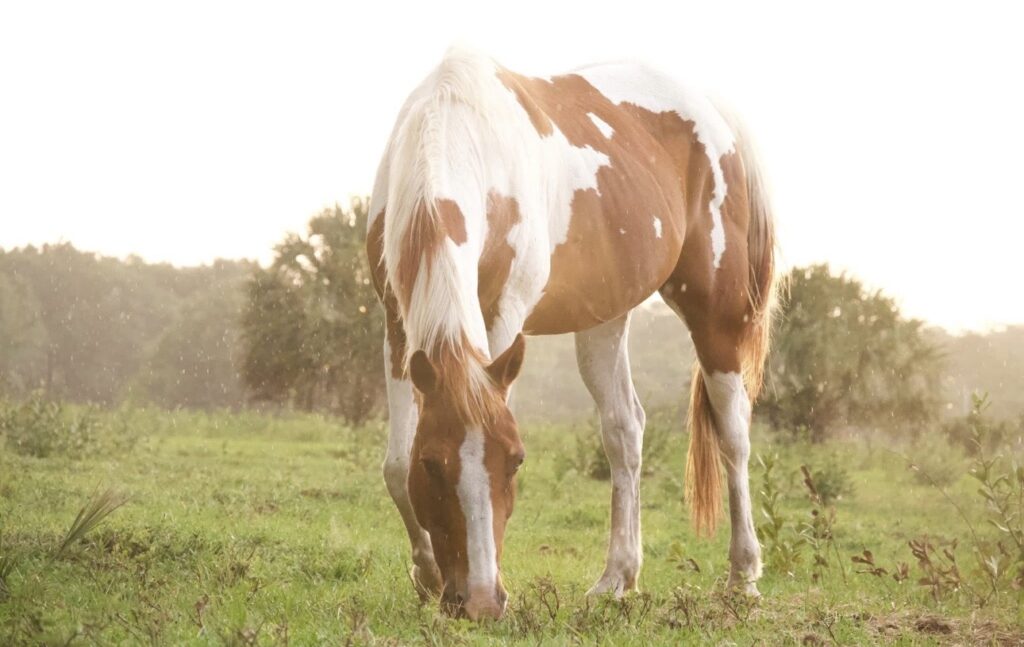
Team Building Activities for Leadership Growth in Alabama, Florida, Georgia & Tennessee
Leadership pressure can expose weak communication, rushed decisions and uneven trust across a team. Suhls Rodeo offers leadership team building activities that place business leaders and staff in a setting where those patterns become clear. Companies in Alabama, Florida, Georgia, and Tennessee use these sessions to strengthen leadership presence through direct, honest feedback from horses.
Horse-assisted learning gives people a chance to practice calm direction, sound judgment and steady teamwork without the noise of a boardroom. Each exercise creates space for reflection, group discussion and practical growth that supports daily operations. That makes these sessions a strong fit for businesses that want leadership development activities for teams with real workplace carryover.
Why Horse-Assisted Learning Builds Better Leaders
Leadership growth becomes easier when people can see how their actions affect others in real time. Horses respond to energy, timing and consistency, which makes each interaction a clear lesson in influence and accountability. Teams leave with a better sense of how leadership shows up in moments that call for patience and clarity.
Here are the core leadership areas this experience helps strengthen across Alabama, Florida, Georgia, and Tennessee:
Leadership Presence and Self-Awareness
A leader’s presence sets the tone for the people around them. Horses respond to confidence that feels grounded and reject signals that feel rushed, scattered or uncertain. That kind of response helps participants notice how they carry themselves before they speak a word.
The lesson often lands hard with managers and rising leaders alike. Some discover they overdirect, and others learn they need to step forward with more conviction. Those insights support leadership training team building that feels practical and honest.
Trust, Accountability and Team Direction
Trust grows when leaders follow through, communicate with respect and make it easy for others to understand the goal. In the arena, teams feel the cost of mixed signals right away. One unclear move can slow progress and shift the whole group off course.
That makes the exercise valuable for leadership teams that need stronger alignment. Participants learn how accountability supports momentum and how trust deepens when direction stays clear. Businesses across Alabama, Florida, Georgia, and Tennessee can carry that lesson back into projects, planning and staff management.
Communication Under Pressure
Pressure often reveals communication habits that stay hidden during routine work. A horse-assisted session puts leaders in moments where they must listen, adjust and guide without forcing the pace. That helps participants develop steadier communication in situations that call for emotional control.
The growth does not stop with the individual. Teams begin to see how stronger communication can reduce friction and improve coordination across departments. That is one reason companies choose leadership workshops for teams that push people to learn through action and not lecture alone.
Build Stronger Leaders With Suhls Rodeo
Great leadership does not grow through theory alone. It grows through experience, reflection and the chance to see how actions shape a team in real time. Suhls Rodeo helps businesses in Alabama, Florida, Georgia, and Tennessee create leadership experiences that build trust, communication and stronger decision-making.
Frequently Asked Questions About Corporate Team Building Leadership Activities
1. What makes horse-assisted leadership development useful for businesses?
Horse-assisted learning gives leaders direct feedback on communication, self-awareness and trust. That helps business teams study leadership behavior in a practical setting that feels real and easy to remember.
2. Do participants need horse experience to take part?
No horse background is required. Every session is ground-based and guided by facilitators, which makes the experience approachable for mixed groups.
3. Is this a good fit for senior leadership teams?
Yes, it works well for owners, executives and department leaders. The format helps senior teams look at alignment, communication and decision-making without the usual workplace distractions.
4. Can this support manager development too?
Yes, it can. New managers and emerging leaders often gain useful insight into confidence, accountability and team direction through these exercises.
5. How does the session connect back to workplace performance?
Facilitators link each activity to real business behaviors such as delegation, trust, problem-solving and communication. That gives teams a clear way to apply the learning after the event.
6. Is horseback riding part of the program?
No riding takes place during these leadership sessions. The focus stays on ground-based interaction, team tasks and guided reflection.
7. Can a business use this during an off-site or planning retreat?
Yes, many companies do that. The program fits well into leadership-focused retreats, strategy days and culture-building events.
8. What kinds of companies book these sessions?
A wide range of businesses use them, including small firms, growing teams and established companies. Any organization that wants stronger leadership habits and healthier team dynamics can benefit from the format.
Trust
Horses teach us the foundation of trust through their sensitivity to authenticity and consistency. Equine-assisted learning reminds us that trust in relationships is built through patience, reliability, and vulnerability. Participants experience the importance of trust as they create meaningful connections with the horses, reflecting our relationships with others.
Communication
Equine-assisted learning emphasizes the power of non-verbal communication, teaching participants to be intentional and clear in their interactions. Horses, like people, respond best when our words and actions align with grace and authenticity.
Problem-Solving
Working with horses presents challenges that require participants to think critically and adapt their strategies. By seeking solutions with perseverance, participants are reminded of the importance of trusting as they work through challenges.
Self-Awareness
Horses act as mirrors, reflecting the energy and emotions we bring into interactions. This helps participants become more mindful of their actions and how they affect others. Through equine-assisted learning, participants gain greater insight into their own hearts and behaviors.
Leadership Skills
Horses respond to authentic and confident leadership, teaching participants the value of leading with humility and service. Putting others first and leading by example, is reinforced as participants learn to guide and inspire through calm and decisive action.
Empathy and Emotional Regulation
Horses require us to understand their cues and respond with empathy. Participants develop the ability to regulate their emotions, ensuring their actions reflect patience and understanding—qualities essential for fostering healthy relationships.
Teamwork and Collaboration
Working with horses often involves teamwork, teaching participants to value the unique strengths and perspectives of others.
Resilience and Adaptability
Horses’ unpredictability challenge participants to remain calm and flexible in the face of change.
Conflict Resolution
Equine-assisted learning teaches participants to resolve conflicts by observing and adapting their approach to meet the needs of the situation.
Patience and Perseverance
Horses require a steady and patient approach to build trust and achieve goals.
Non-Verbal Communication Skills
Horses respond primarily to body language, teaching participants the power of non-verbal communication.
Setting Boundaries
Horses thrive in environments with clear and respectful boundaries, teaching participants how to set limits that foster healthy relationships.
Stress Reduction and Mindfulness
The calming presence of horses and the natural setting of equine-assisted learning offer participants a chance to pause, reflect, and focus on the present moment.
Goal Setting
Equine-assisted learning activities often involve setting clear goals and taking steps to achieve them.
Building Confidence
Successfully completing tasks with horses instills a sense of accomplishment and confidence in participants. In equine-assisted learning, participants experience firsthand as they engage with horses, whose trust and cooperation must be earned through respect, patience, and understanding.