
Corporate Team Building Leadership Activities for Businesses in Alabama
Suhls Rodeo delivers leadership-focused team building experiences that help managers and teams strengthen trust, communicate with clarity, and lead with greater confidence. Businesses throughout Alabama choose these horse-assisted sessions when they want practical growth, stronger alignment, and a memorable way to develop leaders.
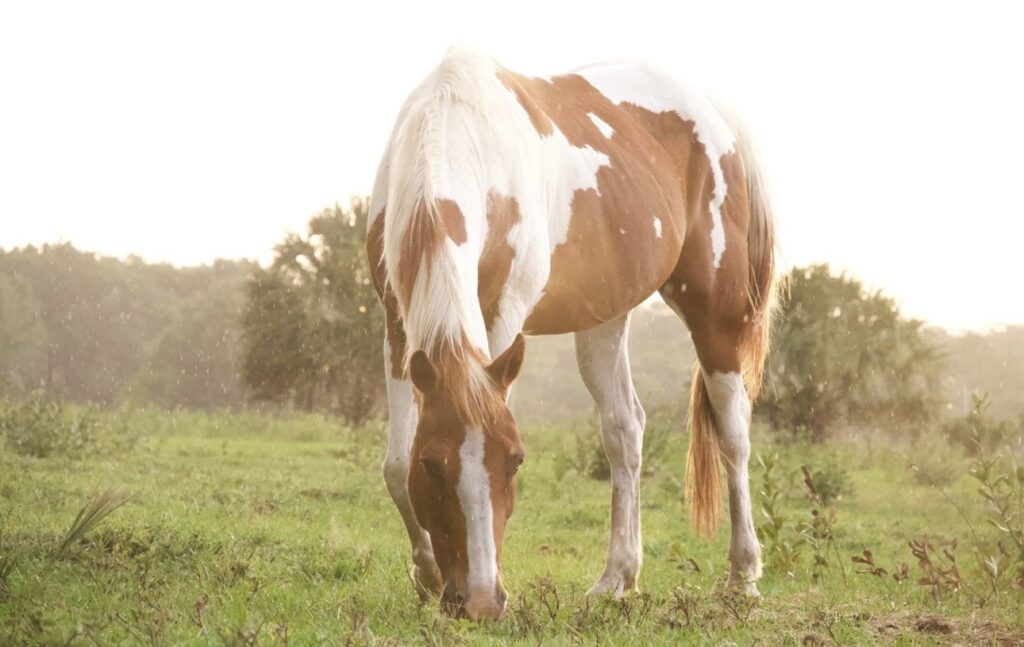
Team Building Activities for Leadership Growth in Alabama
Leadership gaps often show up in the middle of growth, change or pressure. Suhls Rodeo offers leadership team building activities for Alabama businesses that want stronger communication, steadier managers and healthier team culture. Horses create an honest learning environment where leaders can see how their presence affects the people around them.
The value comes from direct experience and not abstract ideas. Participants work through guided exercises that reveal trust, decision-making and emotional control in real time. Alabama companies often choose leadership development activities for teams when they want growth that will hold up back at work.
How Alabama Businesses Build Stronger Leaders Through Horse-Assisted Learning
A leadership team can hide weak habits in the normal pace of daily work. The arena removes that routine and puts people into tasks where timing, trust and consistency matter right away. Leaders see how they guide others, and teams see how they respond under pressure.
Here are the leadership strengths Alabama companies often target through this experience:
Presence That Settles a Team
A leader’s energy can calm a team or unsettle it. Horses respond fast to tension, scattered movement and uncertain direction, which makes presence easy to study in the moment. Participants learn how much leadership begins before a single instruction is spoken.
That lesson can shift the way managers show up at work. A calmer leader often earns better buy-in and clearer follow-through from the group. This is one reason Alabama companies use leadership training team building as part of manager development.
Trust and Follow-Through
Trust grows through reliable action and steady direction. In horse-assisted exercises, teams feel the effect of every hesitation, mixed message and broken rhythm. That creates a strong case for accountability without turning the session into a lecture.
Leaders often leave with a clearer view of how their choices shape team confidence. Staff members notice who creates clarity and who creates confusion. Those insights can support stronger relationships across an Alabama business.
Communication That Holds Up Under Pressure
Pressure changes the way people speak, listen and react. The arena creates moments where leaders must slow down, focus and guide the team with purpose. That helps participants build communication habits that can serve them during conflict, deadlines and change.
Group reflection gives that learning more staying power. Leaders can discuss what worked, what stalled progress and what needs to improve. That makes the experience a strong fit for leadership workshops for teams that need practical development.
Help Your Alabama Leaders Grow With Purpose
Suhls Rodeo helps Alabama businesses create leadership experiences that feel honest, practical and worth the time. Teams gain direct feedback, stronger trust and a better sense of how leadership works in real conditions. A well-run session can shift how your people communicate, decide and lead.
Frequently Asked Questions About Corporate Team Building Leadership Activities In Alabama
1. Why do Alabama businesses use horse-assisted leadership development?
Businesses use it to study leadership behavior in a direct and memorable setting. The exercises reveal communication, trust and self-awareness in ways people can apply back at work.
2. Is this a fit for small leadership teams?
Yes, it works very well for small teams. Owners, partners and department leaders often benefit from the close feedback and reflection.
3. Do participants need any horse experience?
No experience is needed. Facilitators guide every activity, and all work takes place on the ground.
4. Can this support manager development in Alabama companies?
Yes, it can. New and current managers often gain useful insight into direction, accountability and team influence.
5. How is the learning connected to business goals?
Facilitators help participants connect each exercise to workplace habits such as delegation, trust, communication and conflict response. That makes the session easy to carry into daily operations.
6. Is horseback riding included?
No, horseback riding is not part of the program. The focus stays on leadership exercises, team interaction and reflection.
7. Can the session be part of a company retreat?
Yes, many Alabama businesses use it during retreat days and off-site planning sessions. It fits well when a company wants practical leadership growth in a fresh setting.
8. What should leaders expect to leave with?
Leaders usually leave with clearer self-awareness, stronger communication insight and a better sense of how they affect the team around them. That can improve trust and decision-making long after the event.
Trust
Horses teach us the foundation of trust through their sensitivity to authenticity and consistency. Equine-assisted learning reminds us that trust in relationships is built through patience, reliability, and vulnerability. Participants experience the importance of trust as they create meaningful connections with the horses, reflecting our relationships with others.
Communication
Equine-assisted learning emphasizes the power of non-verbal communication, teaching participants to be intentional and clear in their interactions. Horses, like people, respond best when our words and actions align with grace and authenticity.
Problem-Solving
Working with horses presents challenges that require participants to think critically and adapt their strategies. By seeking solutions with perseverance, participants are reminded of the importance of trusting as they work through challenges.
Self-Awareness
Horses act as mirrors, reflecting the energy and emotions we bring into interactions. This helps participants become more mindful of their actions and how they affect others. Through equine-assisted learning, participants gain greater insight into their own hearts and behaviors.
Leadership Skills
Horses respond to authentic and confident leadership, teaching participants the value of leading with humility and service. Putting others first and leading by example, is reinforced as participants learn to guide and inspire through calm and decisive action.
Empathy and Emotional Regulation
Horses require us to understand their cues and respond with empathy. Participants develop the ability to regulate their emotions, ensuring their actions reflect patience and understanding—qualities essential for fostering healthy relationships.
Teamwork and Collaboration
Working with horses often involves teamwork, teaching participants to value the unique strengths and perspectives of others.
Resilience and Adaptability
Horses’ unpredictability challenge participants to remain calm and flexible in the face of change.
Conflict Resolution
Equine-assisted learning teaches participants to resolve conflicts by observing and adapting their approach to meet the needs of the situation.
Patience and Perseverance
Horses require a steady and patient approach to build trust and achieve goals.
Non-Verbal Communication Skills
Horses respond primarily to body language, teaching participants the power of non-verbal communication.
Setting Boundaries
Horses thrive in environments with clear and respectful boundaries, teaching participants how to set limits that foster healthy relationships.
Stress Reduction and Mindfulness
The calming presence of horses and the natural setting of equine-assisted learning offer participants a chance to pause, reflect, and focus on the present moment.
Goal Setting
Equine-assisted learning activities often involve setting clear goals and taking steps to achieve them.
Building Confidence
Successfully completing tasks with horses instills a sense of accomplishment and confidence in participants. In equine-assisted learning, participants experience firsthand as they engage with horses, whose trust and cooperation must be earned through respect, patience, and understanding.